VE-CADGFP-Human Brain Microvascular Endothelial Cells

Quick Actions
Product Overview
Description
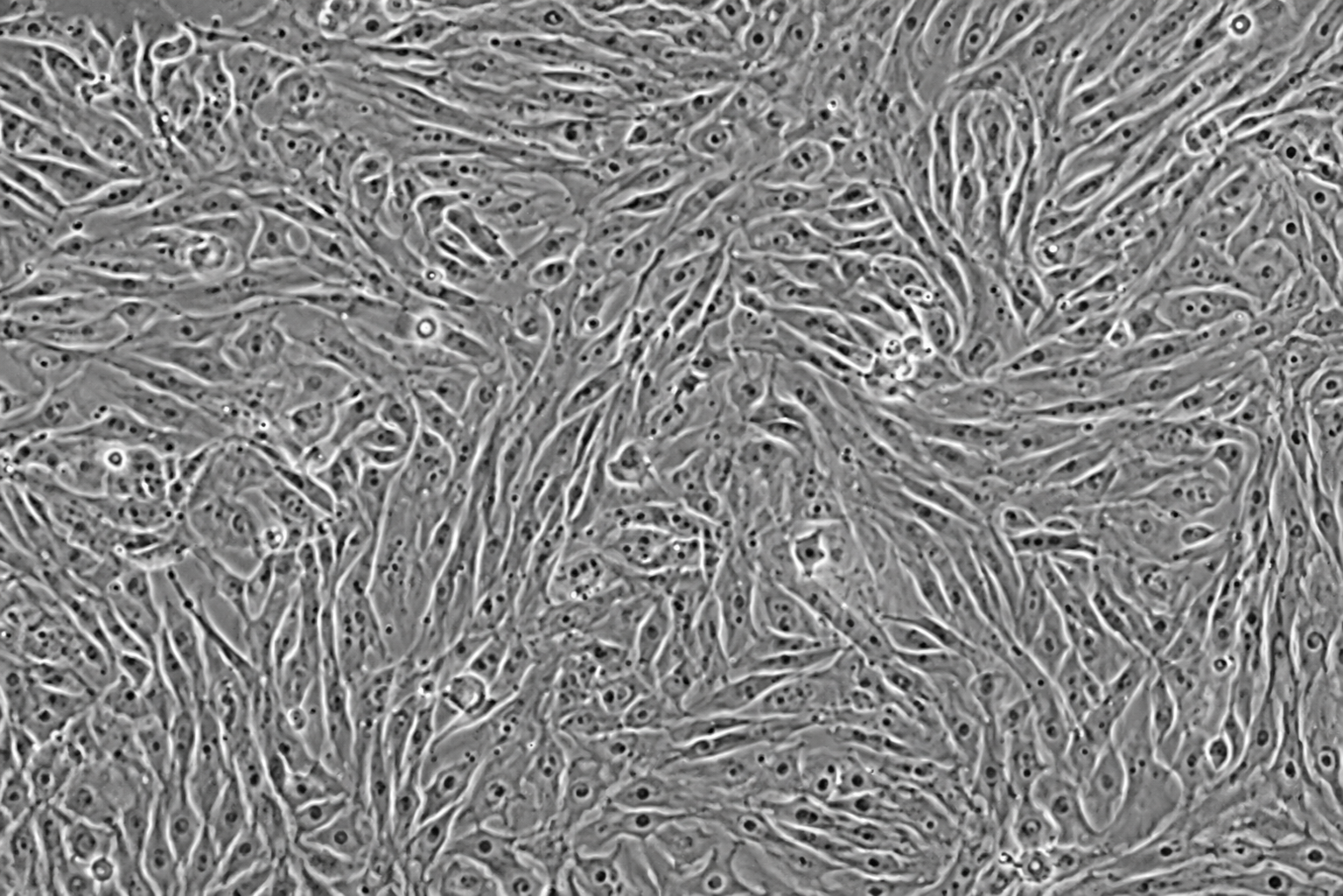
VE-CAD-GFP Human Brain Microvascular Endothelial Cells (VE-CADGFP-HBMECs) are primary or genetically modified human brain microvascular endothelial cells engineered to express vascular endothelial cadherin (VE-Cadherin/CD144) fused with Green Fluorescent Protein (GFP). VE-Cadherin is a critical adherens junction protein responsible for maintaining endothelial cell-cell contacts and blood-brain barrier (BBB) integrity. GFP expression enables real-time visualization of endothelial junction dynamics, barrier formation, and vascular organization in live-cell imaging experiments.
These cells retain key characteristics of brain microvascular endothelial cells while providing a fluorescent reporter system for monitoring endothelial morphology and junctional integrity.
IMPORTANT: Quality warranty requires use of NeoBioPharma media. Biohazardous material despite negative pathogen testing. Quality claims must be reported within 1 month.
Key Features
Catalog Number: NBP-0002VE-CAD-GFP
Product Format: Frozen
Vial Cell Number: > 5x10[5] cells/vial
Passage:1(P1)
Storage: Liquid Nitrogen, Vapor Phase
Intended Use: Research use only (RUO)
Characteristics:
-Stable VE-Cadherin-GFP Expression
Fluorescent labeling of endothelial adherens junctions.
Enables live-cell monitoring of cell-cell contacts.
-Brain Endothelial Phenotype
Expression of endothelial markers including CD31 (PECAM-1), VE-Cadherin, vWF, and eNOS.
Maintains microvascular endothelial morphology.
-Blood-Brain Barrier Properties
Formation of tight endothelial monolayers.
Supports studies of BBB permeability and integrity.
-Fluorescence Imaging Compatible
GFP signal allows visualization without additional staining.
Suitable for time-lapse and high-content imaging.
-Angiogenic Capacity
Forms capillary-like networks in angiogenesis assays.
Responds to pro-angiogenic and inflammatory stimuli.
-Dynamic Junction Analysis
Enables quantitative assessment of junction assembly, remodeling, and disruption.
Quick Facts
Product Type
Human Endothelial cells
Viability
>95% viable (Trypan Blue exclusion)
Applications
-Blood-Brain Barrier Research Investigation of B…
Availability
In Stock • Global Shipping
Technical Specifications
Primary Applications
Applications & Use Cases
Primary Applications
-Blood-Brain Barrier Research Investigation of BBB formation and maintenance. Analysis of endothelial barrier dysfunction in neurological diseases. Permeability and transport studies. -Live-Cell Imaging Real-time monitoring of endothelial junction dynamics. Visualization of cellular responses to drugs
Suitable for -blood-brain barrier research investigation of bbb formation and maintenance. analysis of endothelial barrier dysfunction in neurological diseases. permeability and transport studies. -live-cell imaging real-time monitoring of endothelial junction dynamics. visualization of cellular responses to drugs studies and research applications
cytokines
Suitable for cytokines studies and research applications
and growth factors. Time-lapse studies of endothelial migration and monolayer formation. -Neurovascular Disease Research Studies of stroke
Suitable for and growth factors. time-lapse studies of endothelial migration and monolayer formation. -neurovascular disease research studies of stroke studies and research applications
traumatic brain injury
Suitable for traumatic brain injury studies and research applications
Alzheimer's disease
Suitable for alzheimer's disease studies and research applications
and multiple sclerosis. Evaluation of inflammatory effects on BBB integrity. -Angiogenesis Studies Assessment of vascular sprouting and microvessel formation. Screening of pro- and anti-angiogenic compounds. -Drug Discovery and Toxicology BBB penetration and drug transport evaluation. Neurovascular toxicity screening. Testing therapeutics targeting endothelial junctions. -Tissue Engineering and Organ-on-Chip Models Development of in vitro BBB models. Integration into neurovascular and microfluidic systems. Vascularized brain organoid research.
Suitable for and multiple sclerosis. evaluation of inflammatory effects on bbb integrity. -angiogenesis studies assessment of vascular sprouting and microvessel formation. screening of pro- and anti-angiogenic compounds. -drug discovery and toxicology bbb penetration and drug transport evaluation. neurovascular toxicity screening. testing therapeutics targeting endothelial junctions. -tissue engineering and organ-on-chip models development of in vitro bbb models. integration into neurovascular and microfluidic systems. vascularized brain organoid research. studies and research applications
Research Areas
In Vitro Studies
Cell culture and screening applications
Molecular Biology
Gene expression & signaling studies
Drug Discovery
Screening & validation studies
Disease Modeling
Pathophysiology research
Support & Resources
Technical Support
Our experts are available for technical questions and protocol assistance.
Contact Support