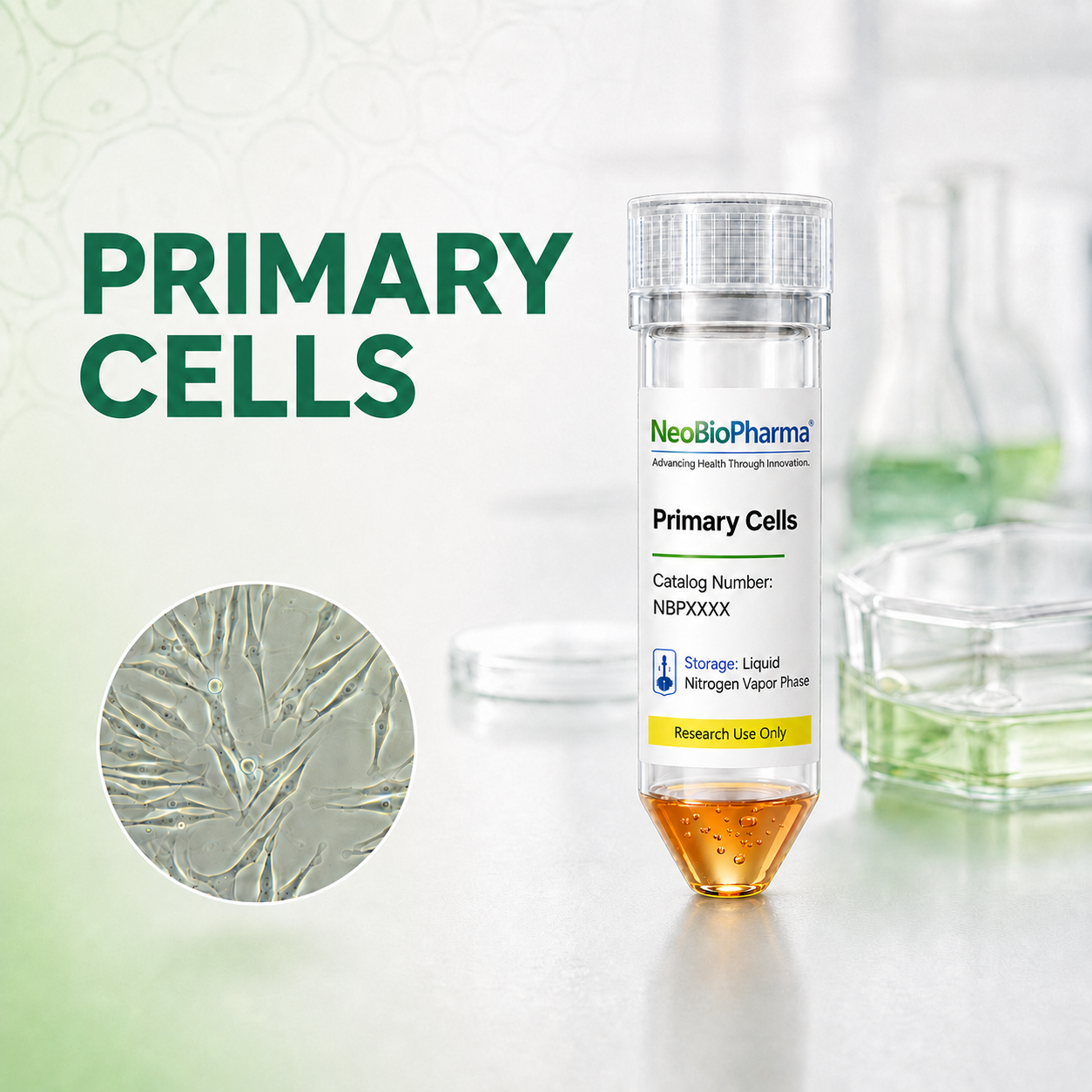
Exosome-GFP Expressing Human Umbilical Vein Endothelial Cells
Quick Actions
Product Overview
Description
Exosome-GFP-expressing Human Umbilical Vein Endothelial Cells (HUVEC-GFP) are genetically modified primary endothelial cells derived from the human umbilical vein that stably express Green Fluorescent Protein (GFP). These cells continuously produce and secrete GFP-labeled extracellular vesicles (EVs), including exosomes, enabling researchers to track exosome biogenesis, release, uptake, and biodistribution in vitro and in vivo.
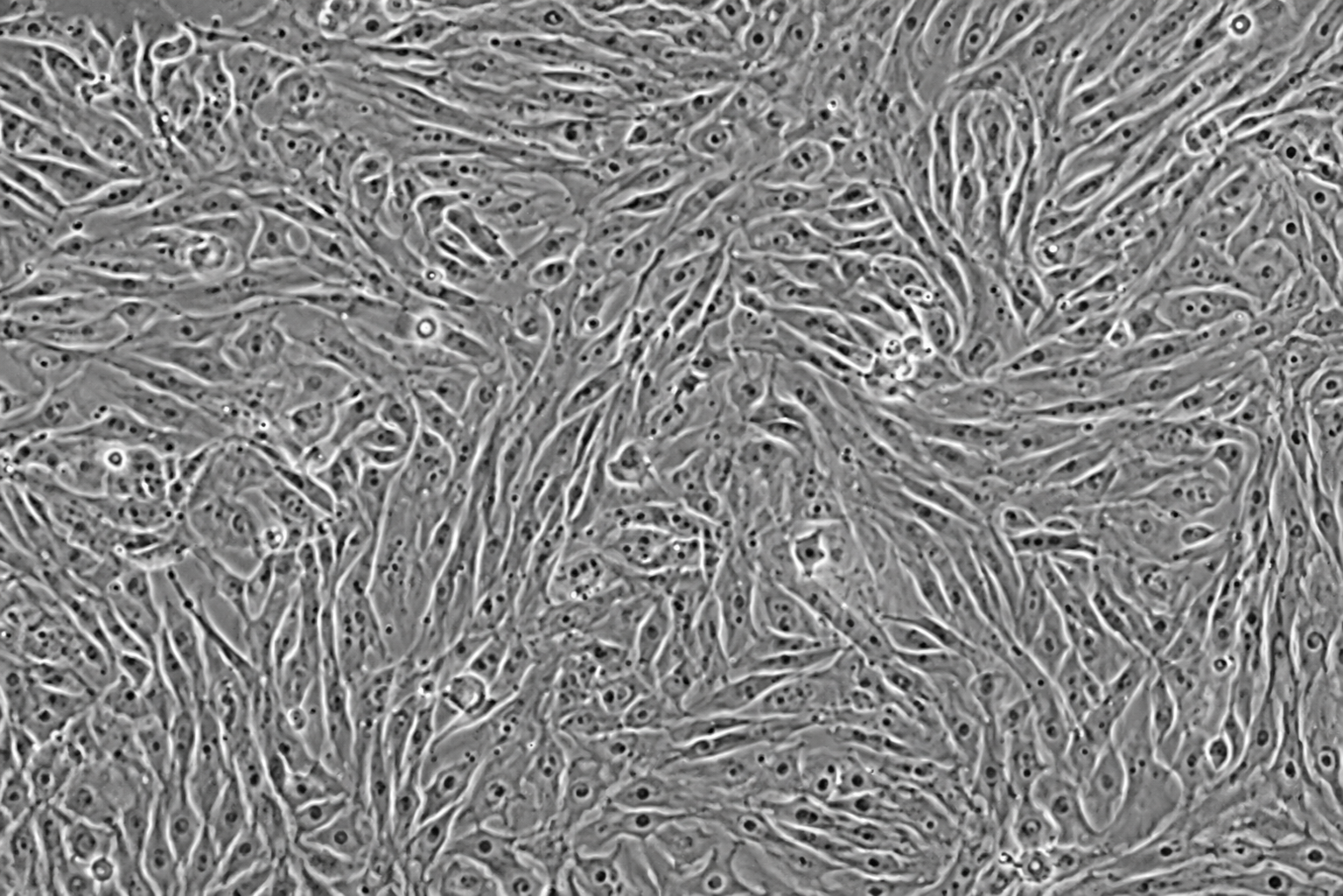
The cells retain the characteristic cobblestone morphology and endothelial phenotype of standard HUVECs while providing a powerful fluorescent tool for studying intercellular communication.
IMPORTANT: Quality warranty requires use of NeoBioPharma media. Biohazardous material despite negative pathogen testing. Quality claims must be reported within 1 month.
Key Features
Catalog Number: NBP-0001GFP-Exos
Product Format: Frozen
Vial Cell Number: > 5x10[5] cells/vial
Passage:2(P2)
Storage: Liquid Nitrogen, Vapor Phase
Intended Use: Research use only (RUO)
CELLS CHARACTERIZATION
-Phenotypic Markers
Positive expression of endothelial markers:
CD31 (PECAM-1)
VE-Cadherin (CD144)
von Willebrand Factor (vWF)
VEGFR2 (KDR)
eNOS
-Exosome Production
Secretes GFP-containing extracellular vesicles
Exosomes typically range from 30–150 nm
Suitable for exosome isolation by ultracentrifugation, SEC, or precipitation methods
Quick Facts
Product Type
GFP Expressing
Viability
>98% viable (Trypan Blue exclusion)
Applications
-Exosome Tracking Visualization of exosome relea…
Availability
In Stock • Global Shipping
Technical Specifications
Primary Applications
Applications & Use Cases
Primary Applications
-Exosome Tracking Visualization of exosome release from donor cells Monitoring exosome uptake by recipient cells Real-time fluorescence imaging studies -Cell-to-Cell Communication Investigation of endothelial signaling pathways Analysis of cargo transfer between cells Studies of angiogenic signaling -Cancer Research Tumor-endothelial interactions Exosome-mediated metastasis studies Tumor microenvironment investigations -Regenerative Medicine Evaluation of therapeutic exosome delivery Tissue repair and wound healing studies Stem cell communication research -Drug Delivery Research Engineering exosome-based delivery systems Tracking biodistribution of therapeutic vesicles Evaluation of targeting efficiency
Suitable for -exosome tracking visualization of exosome release from donor cells monitoring exosome uptake by recipient cells real-time fluorescence imaging studies -cell-to-cell communication investigation of endothelial signaling pathways analysis of cargo transfer between cells studies of angiogenic signaling -cancer research tumor-endothelial interactions exosome-mediated metastasis studies tumor microenvironment investigations -regenerative medicine evaluation of therapeutic exosome delivery tissue repair and wound healing studies stem cell communication research -drug delivery research engineering exosome-based delivery systems tracking biodistribution of therapeutic vesicles evaluation of targeting efficiency studies and research applications
Research Areas
In Vitro Studies
Cell culture and screening applications
Molecular Biology
Gene expression & signaling studies
Drug Discovery
Screening & validation studies
Disease Modeling
Pathophysiology research
Support & Resources
Technical Support
Our experts are available for technical questions and protocol assistance.
Contact Support