Mitochondria GFP Tag Human Umbilical Vein Endothelial Cells

Quick Actions
Product Overview
Description
Mitochondria GFP-Tagged Human Umbilical Vein Endothelial Cells are primary or immortalized HUVECs engineered to express Green Fluorescent Protein (GFP) targeted to the mitochondria. The GFP signal allows direct visualization of mitochondrial morphology, distribution, movement, and dynamics in live endothelial cells.
These cells retain key endothelial properties and are useful for studying vascular biology, mitochondrial function, angiogenesis, oxidative stress, drug toxicity, and endothelial dysfunction.
IMPORTANT: Quality warranty requires use of NeoBioPharma media. Biohazardous material despite negative pathogen testing. Quality claims must be reported within 1 month.
Key Features
Catalog Number: NBP-0001GFP-Mitochon
Product Format: Frozen
Vial Cell Number: > 5x10[5] cells/vial
Passage:1(P1)
Storage: Liquid Nitrogen, Vapor Phase
Intended Use: Research use only (RUO)
Characteristics
-Cell Type Human Umbilical Vein Endothelial Cells , HUVECs
-Fluorescent Tag Mitochondria-targeted GFP
-Fluorescence Bright green mitochondrial signal
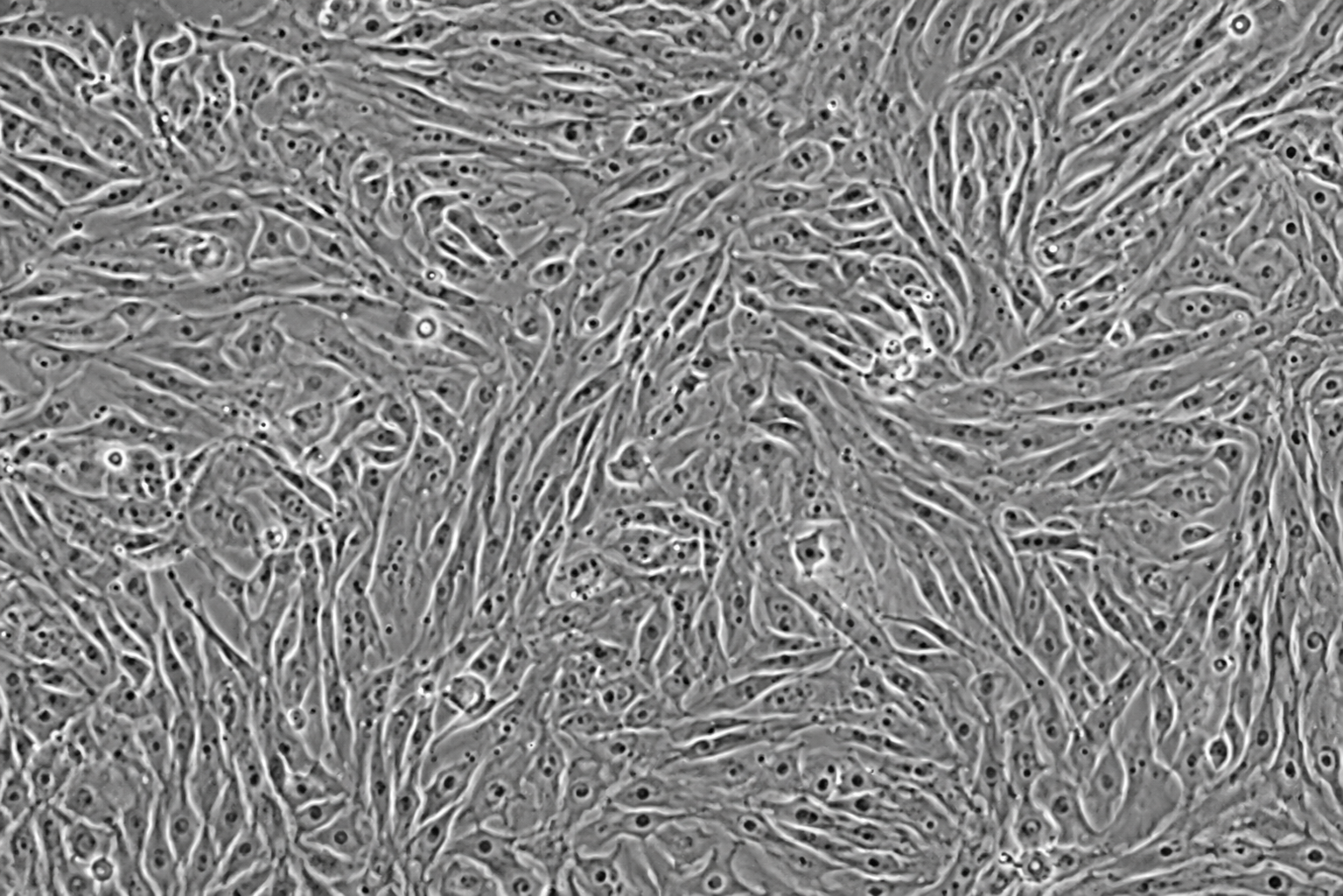
-Morphology Cobblestone-like endothelial morphology under standard culture conditions
-Growth Pattern Adherent monolayer culture
Quick Facts
Product Type
Engineered Human Endothelial Cells
Viability
>98% viable (Trypan Blue exclusion)
Applications
1. Mitochondrial Biology Used to study mitochond…
Availability
In Stock • Global Shipping
Technical Specifications
Primary Applications
Applications & Use Cases
Primary Applications
1. Mitochondrial Biology Used to study mitochondrial morphology
Suitable for 1. mitochondrial biology used to study mitochondrial morphology studies and research applications
movement
Suitable for movement studies and research applications
fusion/fission
Suitable for fusion/fission studies and research applications
membrane network organization
Suitable for membrane network organization studies and research applications
and mitochondrial stress responses. 2. Endothelial Dysfunction Research Useful for modeling endothelial damage caused by inflammation
Suitable for and mitochondrial stress responses. 2. endothelial dysfunction research useful for modeling endothelial damage caused by inflammation studies and research applications
oxidative stress
Suitable for oxidative stress studies and research applications
diabetes-related stress
Suitable for diabetes-related stress studies and research applications
hypoxia
Suitable for hypoxia studies and research applications
or toxic compounds. 3. Angiogenesis Studies Can be used in tube formation assays
Suitable for or toxic compounds. 3. angiogenesis studies can be used in tube formation assays studies and research applications
migration assays
Suitable for migration assays studies and research applications
and wound-healing assays to evaluate the role of mitochondrial activity during blood vessel formation. 4. Drug Discovery and Toxicity Screening Ideal for testing compounds that may affect mitochondrial health
Suitable for and wound-healing assays to evaluate the role of mitochondrial activity during blood vessel formation. 4. drug discovery and toxicity screening ideal for testing compounds that may affect mitochondrial health studies and research applications
endothelial viability
Suitable for endothelial viability studies and research applications
ROS production
Suitable for ros production studies and research applications
or vascular toxicity. 5. Live-Cell Fluorescence Imaging The mitochondrial GFP tag enables real-time visualization without additional mitochondrial dyes
Suitable for or vascular toxicity. 5. live-cell fluorescence imaging the mitochondrial gfp tag enables real-time visualization without additional mitochondrial dyes studies and research applications
reducing staining variability and cytotoxicity. 6. Oxidative Stress and Metabolism Assays Useful for evaluating mitochondrial response to ROS
Suitable for reducing staining variability and cytotoxicity. 6. oxidative stress and metabolism assays useful for evaluating mitochondrial response to ros studies and research applications
inflammatory cytokines
Suitable for inflammatory cytokines studies and research applications
hypoxia/reoxygenation
Suitable for hypoxia/reoxygenation studies and research applications
glucose stress
Suitable for glucose stress studies and research applications
and metabolic inhibitors. 7. Vascular Disease Modeling Applicable in research related to atherosclerosis
Suitable for and metabolic inhibitors. 7. vascular disease modeling applicable in research related to atherosclerosis studies and research applications
cardiovascular disease
Suitable for cardiovascular disease studies and research applications
thrombosis
Suitable for thrombosis studies and research applications
inflammation
Suitable for inflammation studies and research applications
and diabetic vascular complications.
Suitable for and diabetic vascular complications. studies and research applications
Research Areas
In Vitro Studies
Cell culture and screening applications
Molecular Biology
Gene expression & signaling studies
Drug Discovery
Screening & validation studies
Disease Modeling
Pathophysiology research
Support & Resources
Technical Support
Our experts are available for technical questions and protocol assistance.
Contact Support