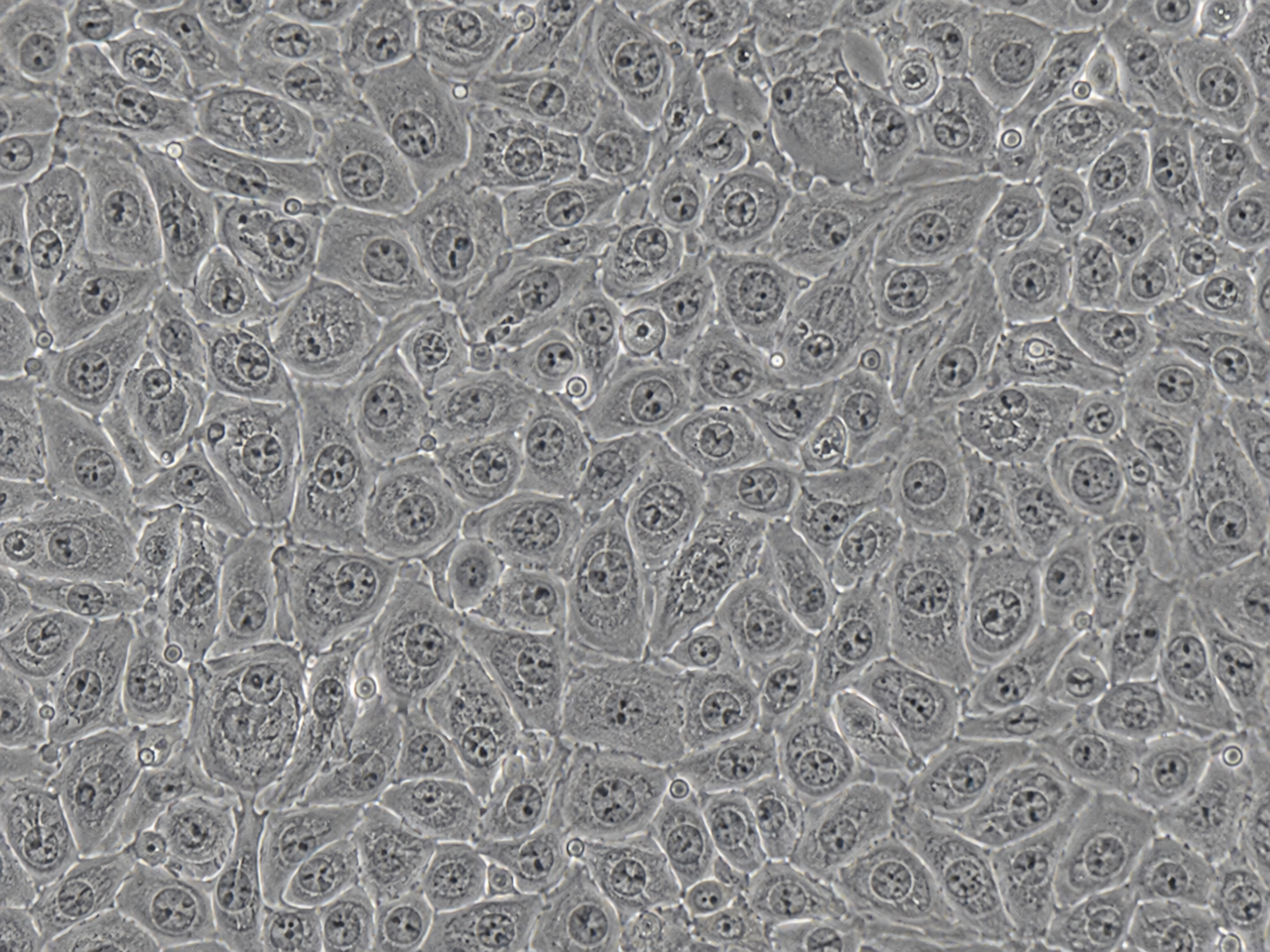
Human Fallopian Tube Secretory Epithelial Cells

Quick Actions
Product Overview
Description
Human Fallopian Tube Secretory Epithelial Cells provide a relevant human epithelial cell model for studying fallopian tube biology, reproductive tract function, and disease-associated epithelial changes. These cells are especially valuable for researchers investigating tubal secretion, epithelial signaling, hormone or drug response, infertility mechanisms, and early events in serous ovarian cancer development.
IMPORTANT: Quality warranty requires use of NeoBioPharma media. Biohazardous material despite negative pathogen testing. Quality claims must be reported within 1 month.
Key Features
Catalog Number: NBP-FTSE-001
Product Format: Frozen
Vial Cell Number: > 5x10[5] cells/vial
Passage:1(P1)
Storage: Liquid Nitrogen, Vapor Phase
Intended Use: Research use only (RUO)
Characteristics:
-Adherent epithelial morphology
-Useful for 2D culture, epithelial biology, and secretome studies
-Expected markers may include PAX8, epithelial cytokeratins, and other fallopian tube epithelial markersX
Quick Facts
Product Type
Epithelial Cells
Viability
>90% viability post-thaw
Applications
Human Fallopian Tube Secretory Epithelial Cells a…
Availability
In Stock • Global Shipping
Technical Specifications
Primary Applications
Applications & Use Cases
Primary Applications
Human Fallopian Tube Secretory Epithelial Cells are widely used in reproductive biology and cancer research because the fallopian tube secretory epithelium is biologically important in both normal tubal function and disease modeling.
Suitable for human fallopian tube secretory epithelial cells are widely used in reproductive biology and cancer research because the fallopian tube secretory epithelium is biologically important in both normal tubal function and disease modeling. studies and research applications
Research Areas
In Vitro Studies
Cell culture and screening applications
Molecular Biology
Gene expression & signaling studies
Drug Discovery
Screening & validation studies
Disease Modeling
Pathophysiology research
Support & Resources
Technical Support
Our experts are available for technical questions and protocol assistance.
Contact Support