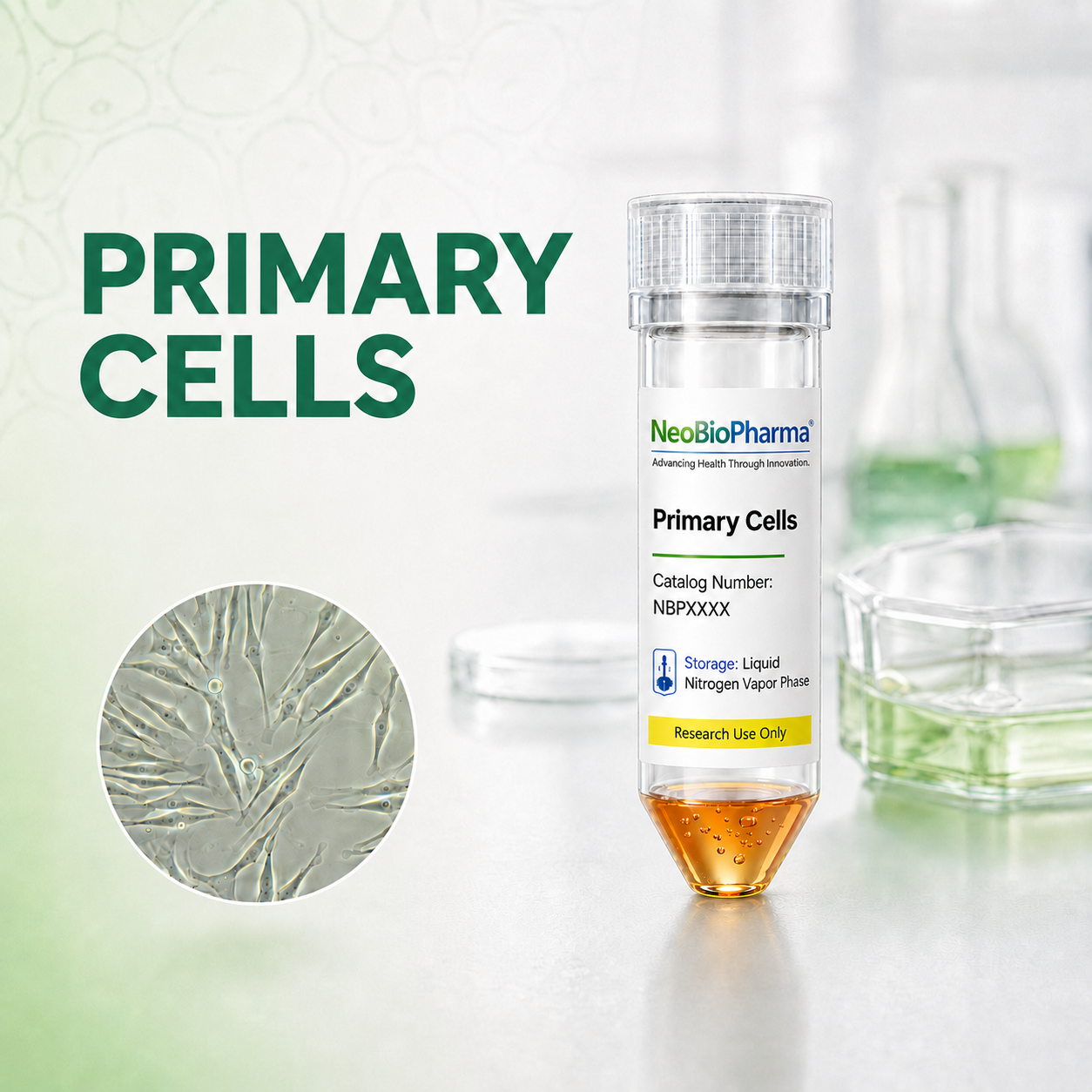
Human iPSC-Derived Astrocytes (iPSC-Astrocytes P2 Expanded)

Quick Actions
Product Overview
Description
Human iPSC-Derived Astrocytes are cryopreserved, highly pure, functional astrocytes differentiated from human induced pluripotent stem cell (iPSC)-derived neural precursor cells (NPCs).
These cells exhibit characteristic star-shaped morphology, express canonical astrocyte markers, and display key astrocyte functions including glutamate uptake, cytokine secretion, and support of neuronal maturation and synaptogenesis.
IMPORTANT: Quality warranty requires use of NeoBioPharma media. Biohazardous material despite negative pathogen testing. Quality claims must be reported within 1 month.
Key Features
Catalog Number: IPSCDA002
Product Format: Frozen
Vial Cell Number: 500,000 cells/vial
Passage: 2(P2)
Storage: Liquid Nitrogen, Vapor Phase
Intended Use: Research use only (RUO)
Quick Facts
Product Type
iPSC- Astrocytes
Viability
>85% viable (Trypan Blue exclusion)
Applications
• Neuroinflammation and reactive astrogliosis mod…
Availability
In Stock • Global Shipping
Technical Specifications
Primary Applications
Applications & Use Cases
Primary Applications
• Neuroinflammation and reactive astrogliosis modeling. • Co culture with neurons or microglia. • Drug screening for astrocyte mediated neurotoxicity. • ALS
Suitable for • neuroinflammation and reactive astrogliosis modeling. • co culture with neurons or microglia. • drug screening for astrocyte mediated neurotoxicity. • als studies and research applications
Alzheimer’s
Suitable for alzheimer’s studies and research applications
and Huntington’s disease research. • Blood brain barrier (BBB) models (together with endothelial cells).
Suitable for and huntington’s disease research. • blood brain barrier (bbb) models (together with endothelial cells). studies and research applications
Research Areas
In Vitro Studies
Cell culture and screening applications
Molecular Biology
Gene expression & signaling studies
Drug Discovery
Screening & validation studies
Disease Modeling
Pathophysiology research
Support & Resources
Technical Support
Our experts are available for technical questions and protocol assistance.
Contact Support