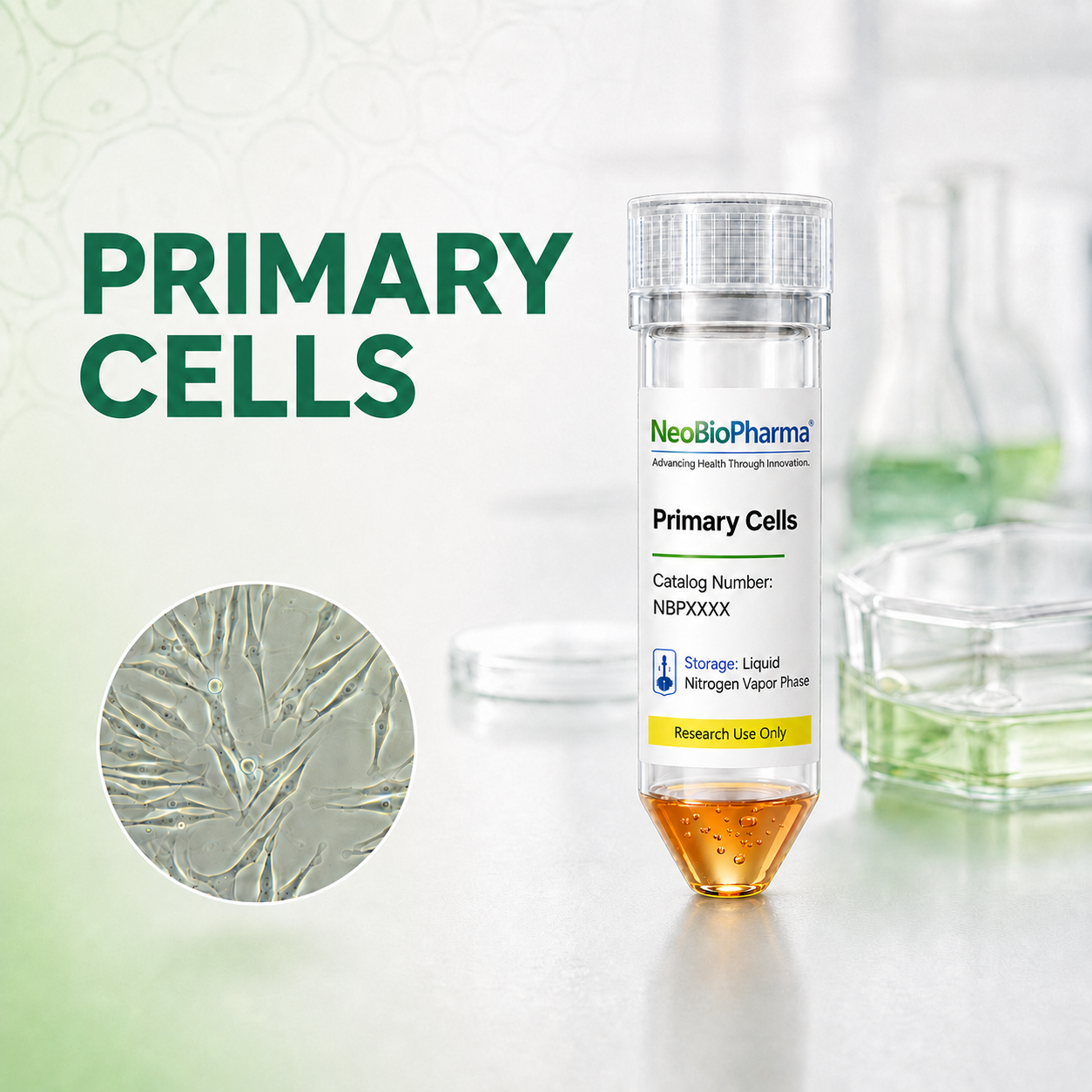
Human Large Intestine Microvascular Endothelial Cells

Quick Actions
Documentation 0 files
Product Overview
Description
Human Large Intestine Microvascular Endothelial Cells (HIMECs) are highly specialized endothelial cells that form the inner lining of the microvasculature in the large intestine, which includes a network of capillaries, arterioles, and venules.
These unique cells are essential for maintaining the delicate balance of the intestinal environment, as they are crucial for regulating vascular permeability. By controlling the passage of fluids, nutrients, and immune cells through the blood vessel walls, HIMECs ensure that the gut remains healthy and functional.
In addition to their role in permeability, HIMECs are actively involved in mediating inflammatory and immune responses within the gut. They respond to various stimuli and signals, orchestrating interactions between the immune system and the intestinal microbiota. This interaction is vital for maintaining intestinal homeostasis and protecting against pathogens while allowing for nutrient absorption. Overall, HIMECs play a pivotal role in supporting the complex functions of the large intestine, contributing significantly to gastrointestinal health and disease prevention.
IMPORTANT: Quality warranty requires use of NeoBioPharma media. Biohazardous material despite negative pathogen testing. Quality claims must be reported within 1 month.
Key Features
Catalog Number: NBP-0017
Product Format: Frozen
Vial Cell Number: > 5x10[5] cells/vial
Passage:1(P1)
Storage: Liquid Nitrogen, Vapor Phase
Intended Use: Research use only (RUO)
CELLS CHARACTERIZATION
-Derived from the microvasculature of human large intestine tissue.
-Exhibit typical cobblestone morphology in culture.
-Express endothelial cell markers (e.g., CD31/PECAM-1, von Willebrand factor, VE-cadherin).
-Display tight junctions and form monolayers with selective permeability.
-Respond to inflammatory cytokines and hypoxic conditions.
-Capable of angiogenesis and tube formation in vitro.
-Support leukocyte adhesion and transmigration.
Quick Facts
Product Type
Human Endothelial cells
Viability
>95% viable (Trypan Blue exclusion)
Applications
-Study of intestinal vascular biology and pathoph…
Availability
In Stock • Global Shipping
Technical Specifications
Primary Applications
Applications & Use Cases
Primary Applications
-Study of intestinal vascular biology and pathophysiology. -Modeling inflammatory bowel diseases (IBD)
Suitable for -study of intestinal vascular biology and pathophysiology. -modeling inflammatory bowel diseases (ibd) studies and research applications
such as Crohn’s disease and ulcerative colitis. -Investigation of endothelial barrier function and permeability. -Research on leukocyte-endothelial interactions in the gut. -Angiogenesis and wound healing assays. -Drug screening for vascular-targeted therapies. -Studies on the effects of microbiome and microbial metabolites on endothelial function.
Suitable for such as crohn’s disease and ulcerative colitis. -investigation of endothelial barrier function and permeability. -research on leukocyte-endothelial interactions in the gut. -angiogenesis and wound healing assays. -drug screening for vascular-targeted therapies. -studies on the effects of microbiome and microbial metabolites on endothelial function. studies and research applications
Research Areas
In Vitro Studies
Cell culture and screening applications
Molecular Biology
Gene expression & signaling studies
Drug Discovery
Screening & validation studies
Disease Modeling
Pathophysiology research
Support & Resources
Technical Support
Our experts are available for technical questions and protocol assistance.
Contact SupportDocumentation & Resources
No Documentation Available
Documentation for this product is not yet available.
Request Documentation