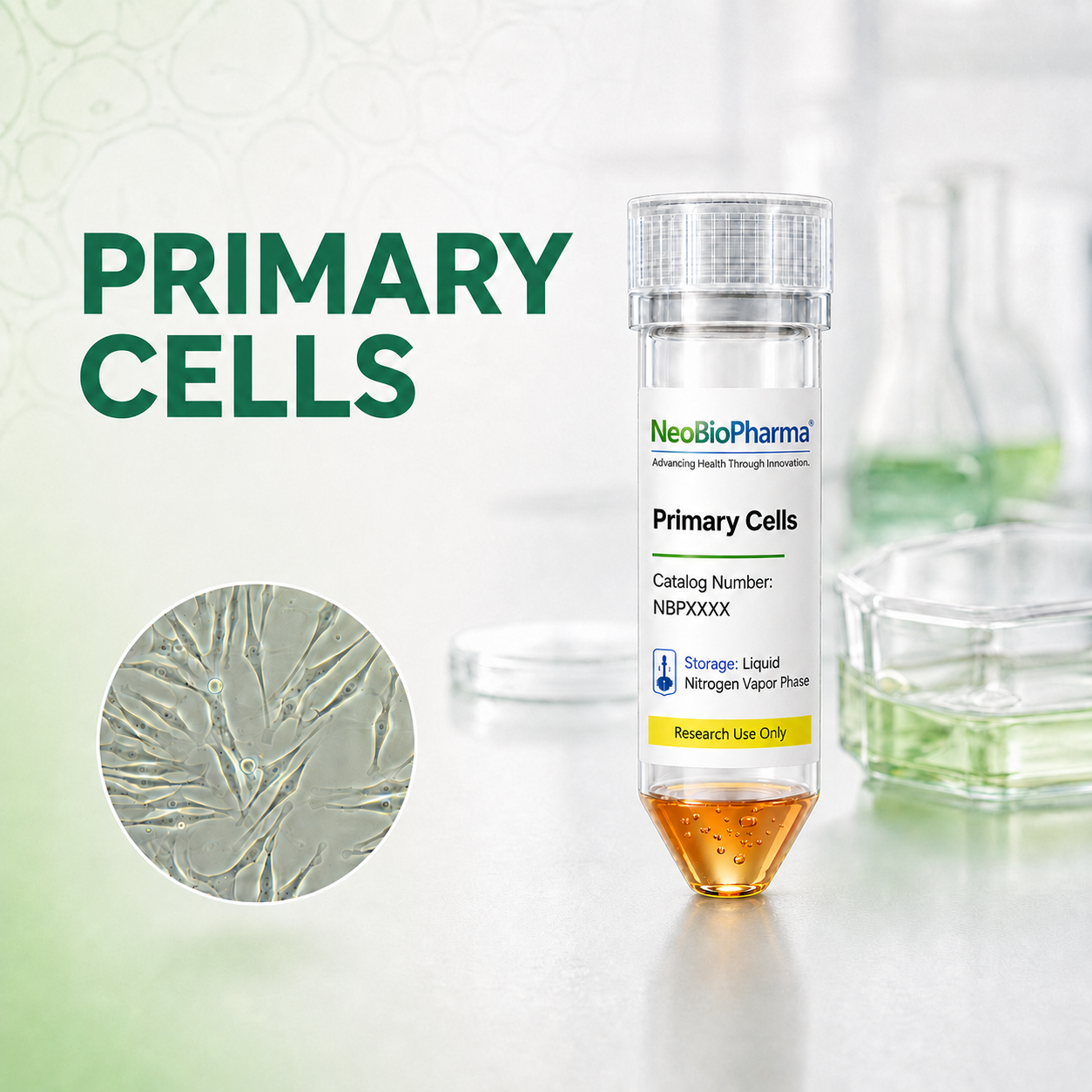
Human Small Intestine Microvascular Endothelial Cells

Quick Actions
Documentation 0 files
Product Overview
Description
Human Small Intestine Microvascular Endothelial Cells are primary microvascular endothelial cells derived from the capillary network of the human small intestine, where they form the inner lining of the smallest blood vessels responsible for nutrient absorption, immune surveillance, and vascular exchange.
These cells are a central component of the intestinal microcirculation system, acting as a dynamic interface between circulating blood and the intestinal tissue. They are highly responsive to physiological and pathological stimuli, making them essential for studies of gut vascular biology, inflammation, and drug transport.
Guarantee expansion for a minimum of 2-5 population doublings.
IMPORTANT: Quality warranty requires use of NeoBioPharma media. Biohazardous material despite negative pathogen testing. Quality claims must be reported within 1 month.
Key Features
Catalog Number: NBP-0016
Product Format: Frozen
Vial Cell Number: > 5x10[5] cells/vial
Passage:1(P1)
Storage: Liquid Nitrogen, Vapor Phase
Intended Use: Research use only (RUO)
Characteristics
Origin: Microvascular endothelium of the human small intestine
Morphology: Spindle-shaped, cobblestone-like monolayer when confluent
Markers:
CD31 (PECAM-1)
VE-Cadherin (CD144)
von Willebrand factor (vWF)
eNOS (endothelial nitric oxide synthase)
Growth behavior: Adherent, forms tight junctions and contact-inhibited monolayers
Functionality:
Barrier regulation
Angiogenesis response
Leukocyte adhesion and transmigration
Quick Facts
Product Type
Human Endothelial cells
Viability
>90% viability post-thaw
Applications
-Gastrointestinal Disease Modeling Inflammatory …
Availability
In Stock • Global Shipping
Technical Specifications
Primary Applications
Applications & Use Cases
Primary Applications
-Gastrointestinal Disease Modeling Inflammatory Bowel Disease (Crohn’s
Suitable for -gastrointestinal disease modeling inflammatory bowel disease (crohn’s studies and research applications
ulcerative colitis) Intestinal ischemia and reperfusion injury Sepsis-induced vascular dysfunction -Drug Development & Delivery Oral drug absorption modeling Permeability and transport assays Nanoparticle and biologics testing -Vascular Biology Angiogenesis and anti-angiogenic screening Endothelial barrier integrity studies Microvascular remodeling research - Host–Microbiome Interaction Response to bacterial endotoxins (LPS) Gut vascular barrier disruption studies Immune-endothelial signaling pathways
Suitable for ulcerative colitis) intestinal ischemia and reperfusion injury sepsis-induced vascular dysfunction -drug development & delivery oral drug absorption modeling permeability and transport assays nanoparticle and biologics testing -vascular biology angiogenesis and anti-angiogenic screening endothelial barrier integrity studies microvascular remodeling research - host–microbiome interaction response to bacterial endotoxins (lps) gut vascular barrier disruption studies immune-endothelial signaling pathways studies and research applications
Research Areas
In Vitro Studies
Cell culture and screening applications
Molecular Biology
Gene expression & signaling studies
Drug Discovery
Screening & validation studies
Disease Modeling
Pathophysiology research
Support & Resources
Technical Support
Our experts are available for technical questions and protocol assistance.
Contact SupportDocumentation & Resources
No Documentation Available
Documentation for this product is not yet available.
Request Documentation