RFP Expressing Human Brain Microvascular Pericytes

Quick Actions
Product Overview
Description
These specialized cells are known as pericytes, which are closely associated with the intricate network of microvessels in the human brain. They are essential for maintaining the integrity of the endothelial barrier, which protects the brain from harmful substances while allowing essential nutrients to pass through. Additionally, pericytes contribute to the overall stability of blood vessels, promote the formation of new blood vessels through a process called angiogenesis, and facilitate effective communication between cells within the neurovascular unit.
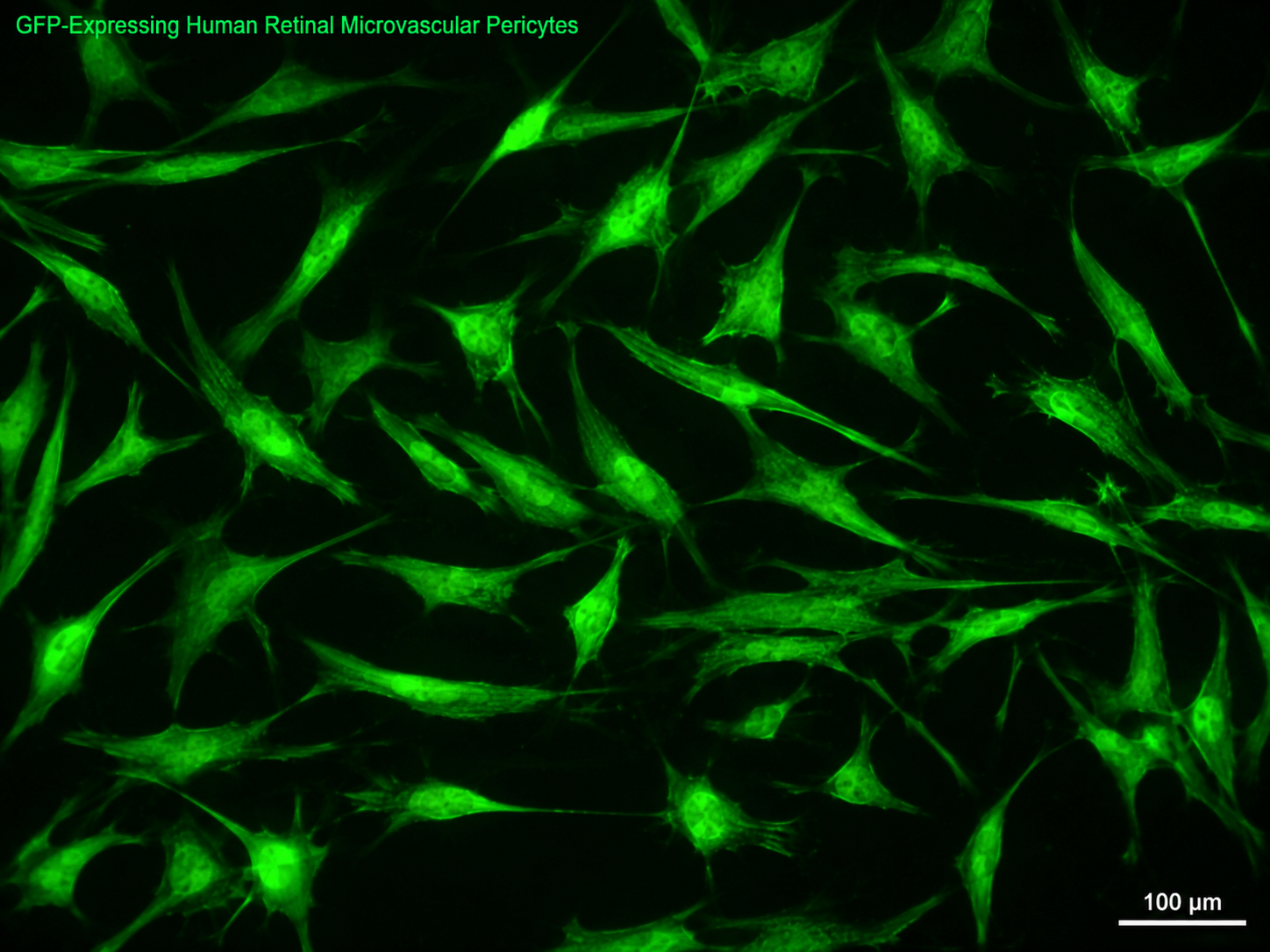
The use of red fluorescent protein (RFP) labeling provides researchers with a powerful tool to visualize pericytes in action. This signal allows for real-time observation of their unique shapes, movements, and rates of division, as well as their interactions with surrounding endothelial cells a key aspect of understanding the complex dynamics of brain vascular health and pathology.
IMPORTANT: Quality warranty requires use of NeoBioPharma media. Biohazardous material despite negative pathogen testing. Quality claims must be reported within 1 month.
Key Features
Catalog Number: NBP-0030RFP
Product Format: Frozen
Vial Cell Number: > 5x10[5] cells/vial
Passage:1(P1)
Storage: Liquid Nitrogen, Vapor Phase
Intended Use: Research use only (RUO)
Characteristics:
Cell Type: Human Brain Microvascular Pericytes
Fluorescent Marker: RFP / red fluorescent protein
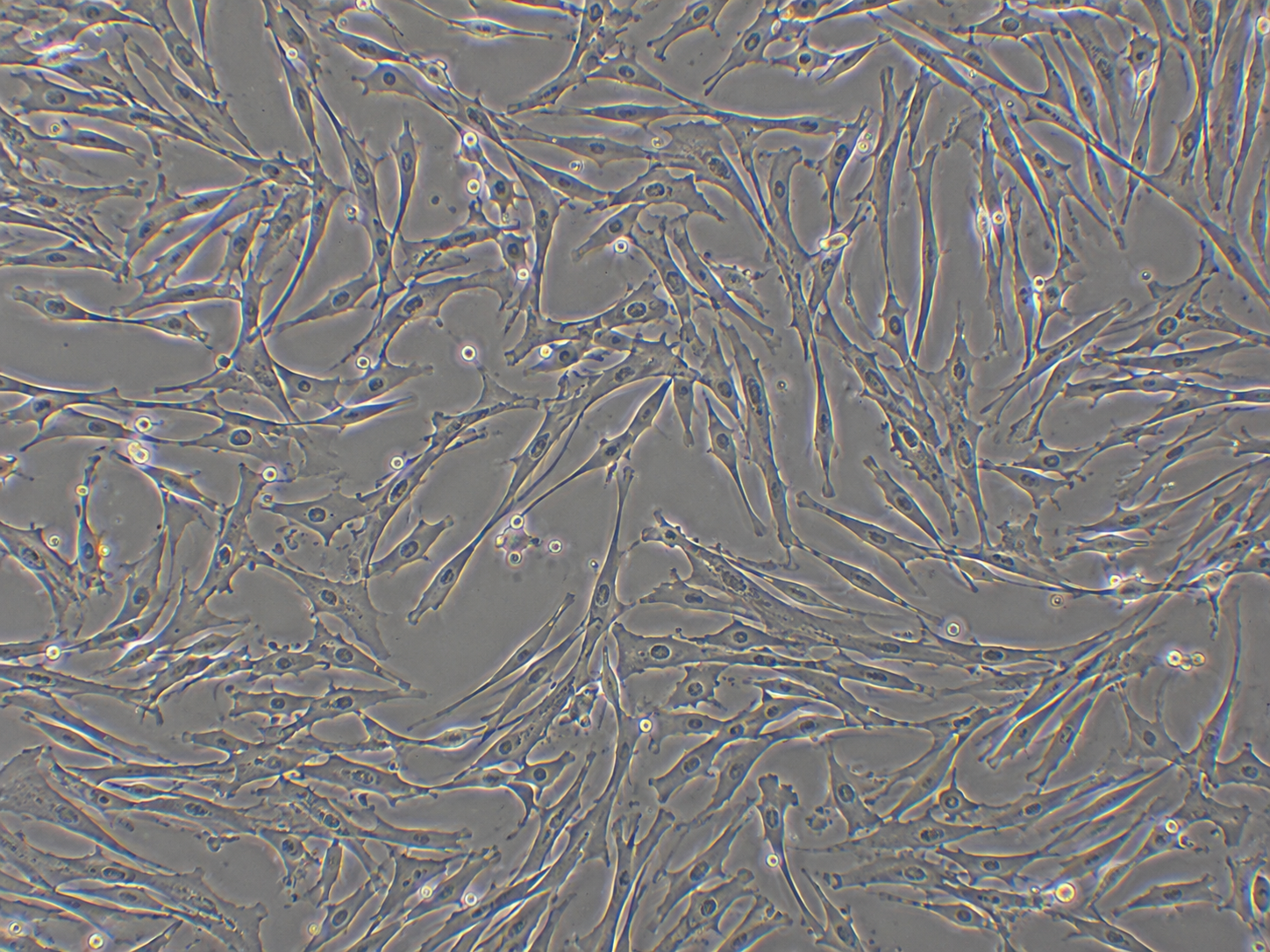
Morphology: Spindle-shaped, elongated pericyte-like cells
Common Markers: PDGFR, NG2/CSPG4, CD146, -SMA, Desmin
Quick Facts
Product Type
Human Pericytes Cells
Viability
High viability
Applications
Research & Development
Availability
In Stock • Global Shipping
Technical Specifications
Applications & Use Cases
Research Areas
In Vitro Studies
Cell culture and screening applications
Molecular Biology
Gene expression & signaling studies
Drug Discovery
Screening & validation studies
Disease Modeling
Pathophysiology research
Support & Resources
Technical Support
Our experts are available for technical questions and protocol assistance.
Contact Support