Human Liver Cancer-Associated Fibroblasts (CAFs)

Quick Actions
Product Overview
Description
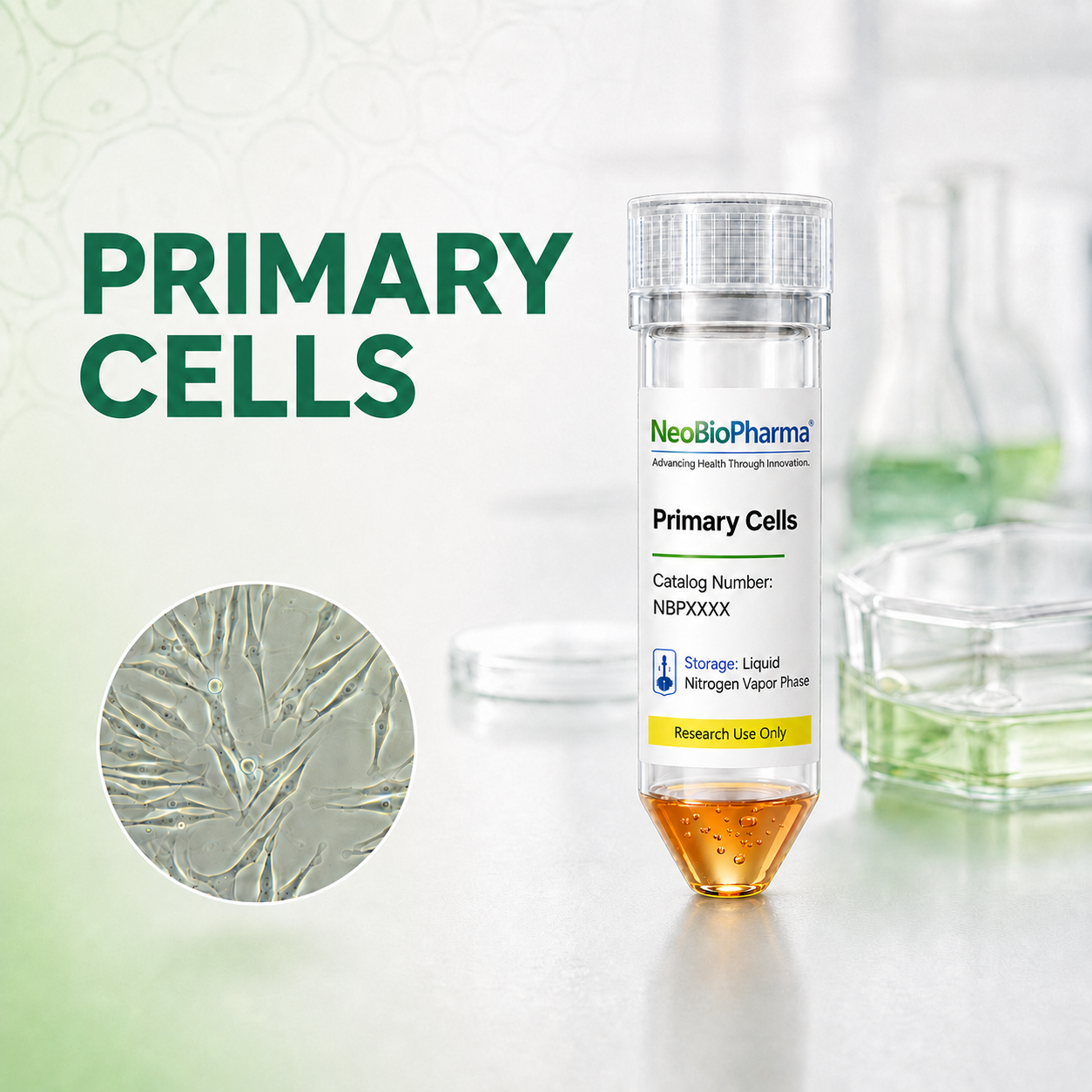
Human Liver Cancer-Associated Fibroblasts (CAFs) are primary stromal fibroblasts isolated from human liver tumor tissue. CAFs are a major component of the tumor microenvironment and play critical roles in extracellular matrix remodeling, tumor progression, angiogenesis, fibrosis, immune modulation, and metastasis.
These cells exhibit activated fibroblast morphology and express characteristic CAF-associated markers involved in tumor-stroma interactions and fibrotic signaling pathways. Human Liver CAFs are ideal for cancer biology, fibrosis, liver disease, drug discovery, tumor microenvironment, and co-culture studies.
IMPORTANT: Quality warranty requires use of NeoBioPharma media. Biohazardous material despite negative pathogen testing. Quality claims must be reported within 1 month.
Key Features
Catalog Number: NEOCAF71
Product Format: Frozen
Vial Cell Number: 1,000,000 cells/vial
Passage:1(P1)
Storage: Liquid Nitrogen, Vapor Phase
Intended Use: Research use only (RUO)
Quick Facts
Product Type
Cancer Associated Fibroblasts (CAFs)
Viability
>85% viable (Post-thaw)
Applications
• Tumor Microenvironment Studies • Liver Cancer …
Availability
In Stock • Global Shipping
Technical Specifications
Primary Applications
Applications & Use Cases
Primary Applications
• Tumor Microenvironment Studies • Liver Cancer Research • Fibrosis Research • CAF-Tumor Interaction Assays • Drug Screening & Toxicity Testing • Immuno-Oncology Research • Extracellular Matrix Remodeling Studies • Angiogenesis Research • Co-culture Systems
Suitable for • tumor microenvironment studies • liver cancer research • fibrosis research • caf-tumor interaction assays • drug screening & toxicity testing • immuno-oncology research • extracellular matrix remodeling studies • angiogenesis research • co-culture systems studies and research applications
Research Areas
In Vitro Studies
Cell culture and screening applications
Molecular Biology
Gene expression & signaling studies
Drug Discovery
Screening & validation studies
Disease Modeling
Pathophysiology research
Support & Resources
Technical Support
Our experts are available for technical questions and protocol assistance.
Contact Support