Human Retinal Astrocytes

Quick Actions
Documentation 0 files
Product Overview
Description
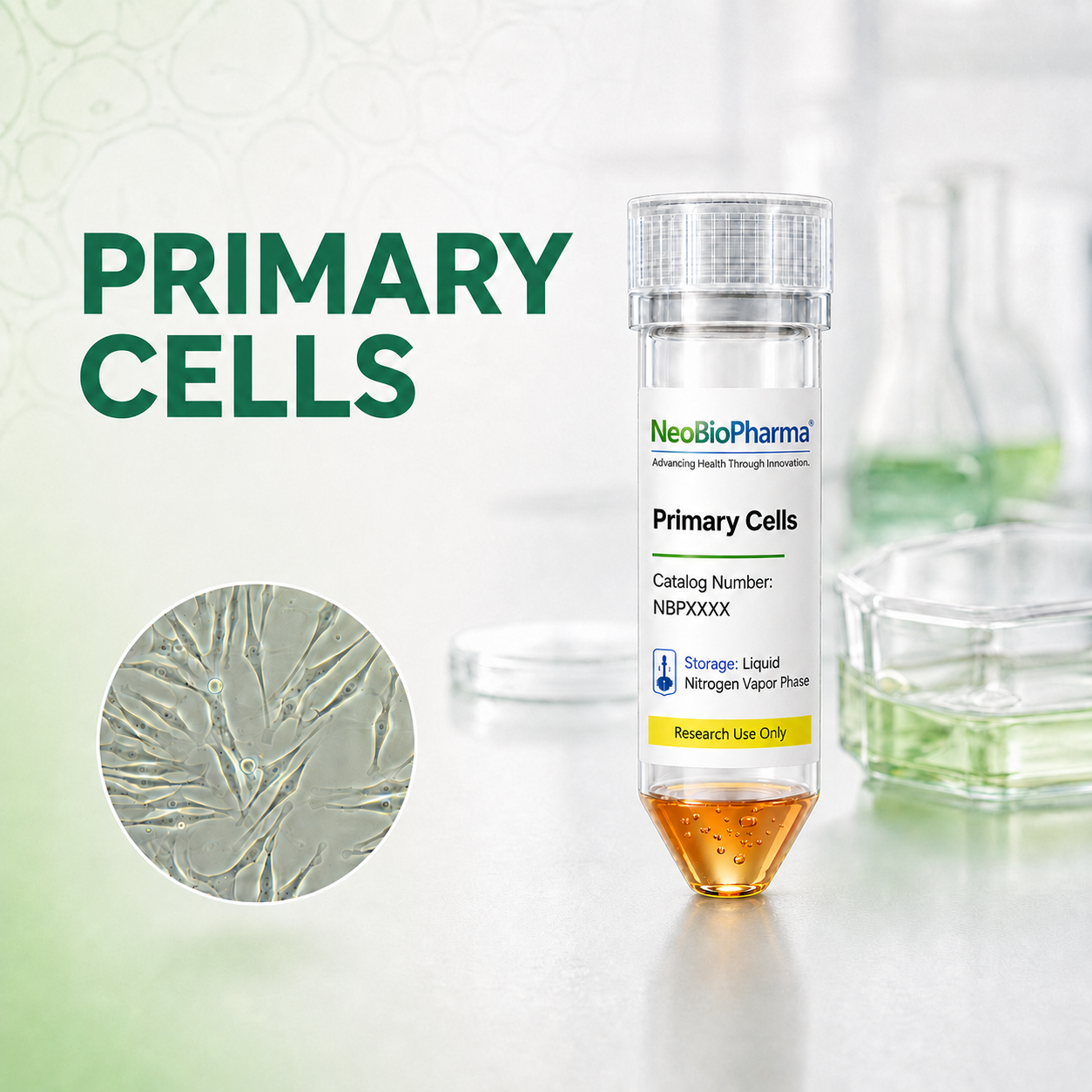
Human Retinal Astrocytes are crucial specialized glial cells predominantly located within the retinal nerve fiber layer and ganglion cell layer. These cells serve a vital role in supporting the overall health and function of retinal neurons as well as the surrounding blood vessels.
They not only offer structural stability but also provide essential metabolic support, ensuring that neurons receive the necessary nutrients for proper functioning. Furthermore, retinal astrocytes are instrumental in maintaining the integrity of the inner blood-retinal barrier, a critical component that protects the retinal environment from harmful substances while allowing for the exchange of essential materials. Their multifaceted functions are key to preserving vision and overall retinal health.
Key Features
Catalog Number: NBP-0115
Product Format: Frozen
Vial Cell Number: > 5x10[5] cells/vial
Passage:1(P1)
Storage: Liquid Nitrogen, Vapor Phase
Intended Use: Research use only (RUO)
Characteristics:
These cells usually express astrocyte and glial markers, including GFAP, S100?, SOX9, ALDH1L1, as well as retinal astrocyte-associated markers such as PAX2 and PDGFR?. GFAP is commonly used to identify mature or reactive astrocytes, while PAX2 and PDGFR? are often associated with retinal astrocyte identity and help visualize the network of these cells.
Quick Facts
Product Type
Human Non Endothelial cells
Viability
>95% viable (Trypan Blue exclusion)
Applications
-Retinal disease modeling, especially diabetic re…
Availability
In Stock • Global Shipping
Technical Specifications
Primary Applications
Applications & Use Cases
Primary Applications
-Retinal disease modeling
Suitable for -retinal disease modeling studies and research applications
especially diabetic retinopathy
Suitable for especially diabetic retinopathy studies and research applications
retinal inflammation
Suitable for retinal inflammation studies and research applications
and blood-retinal barrier dysfunction.
Suitable for and blood-retinal barrier dysfunction. studies and research applications
Research Areas
In Vitro Studies
Cell culture and screening applications
Molecular Biology
Gene expression & signaling studies
Drug Discovery
Screening & validation studies
Disease Modeling
Pathophysiology research
Support & Resources
Technical Support
Our experts are available for technical questions and protocol assistance.
Contact SupportDocumentation & Resources
No Documentation Available
Documentation for this product is not yet available.
Request Documentation