Human Aortic Smooth Muscle Cells (Adult) Expressing GFP-Aequorin in Mitochondria
Quick Actions
Documentation 0 files
Product Overview
Description
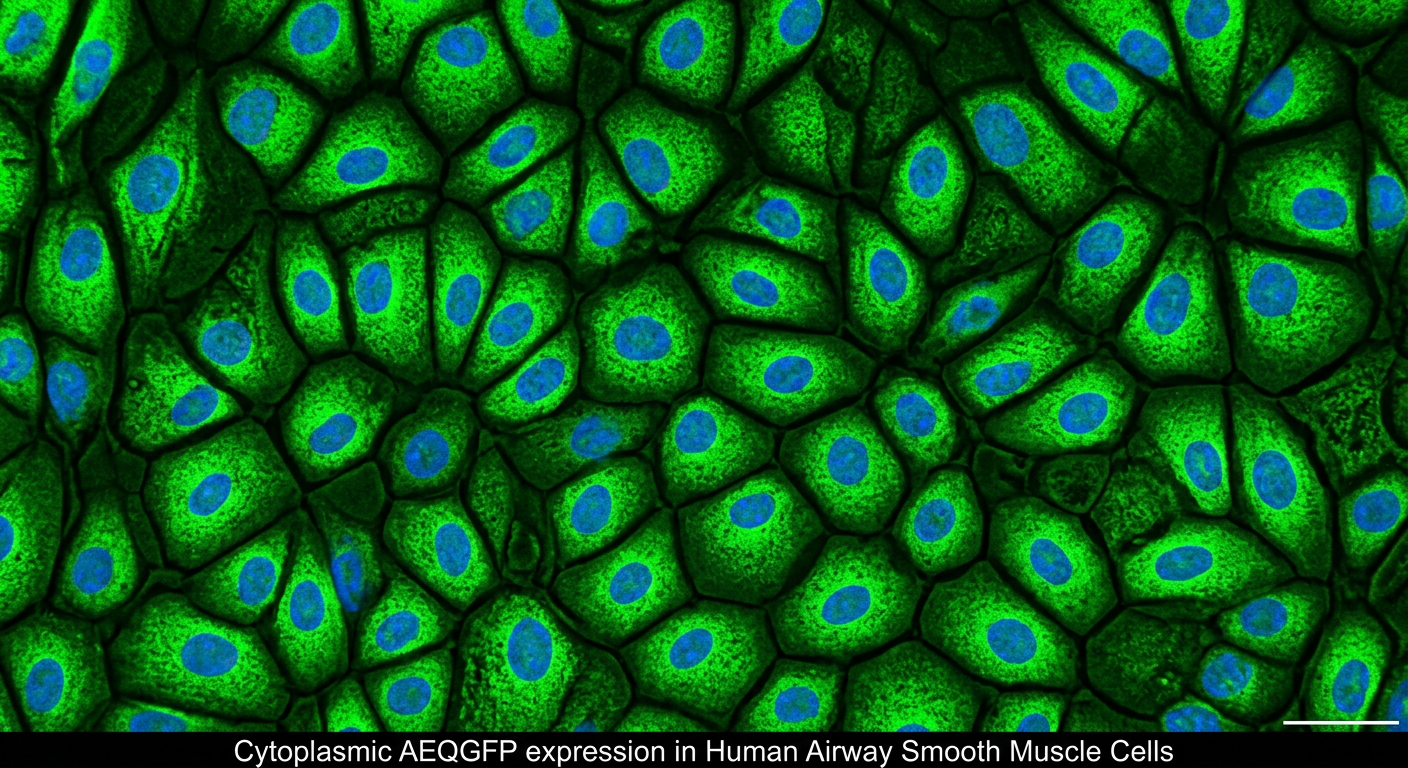
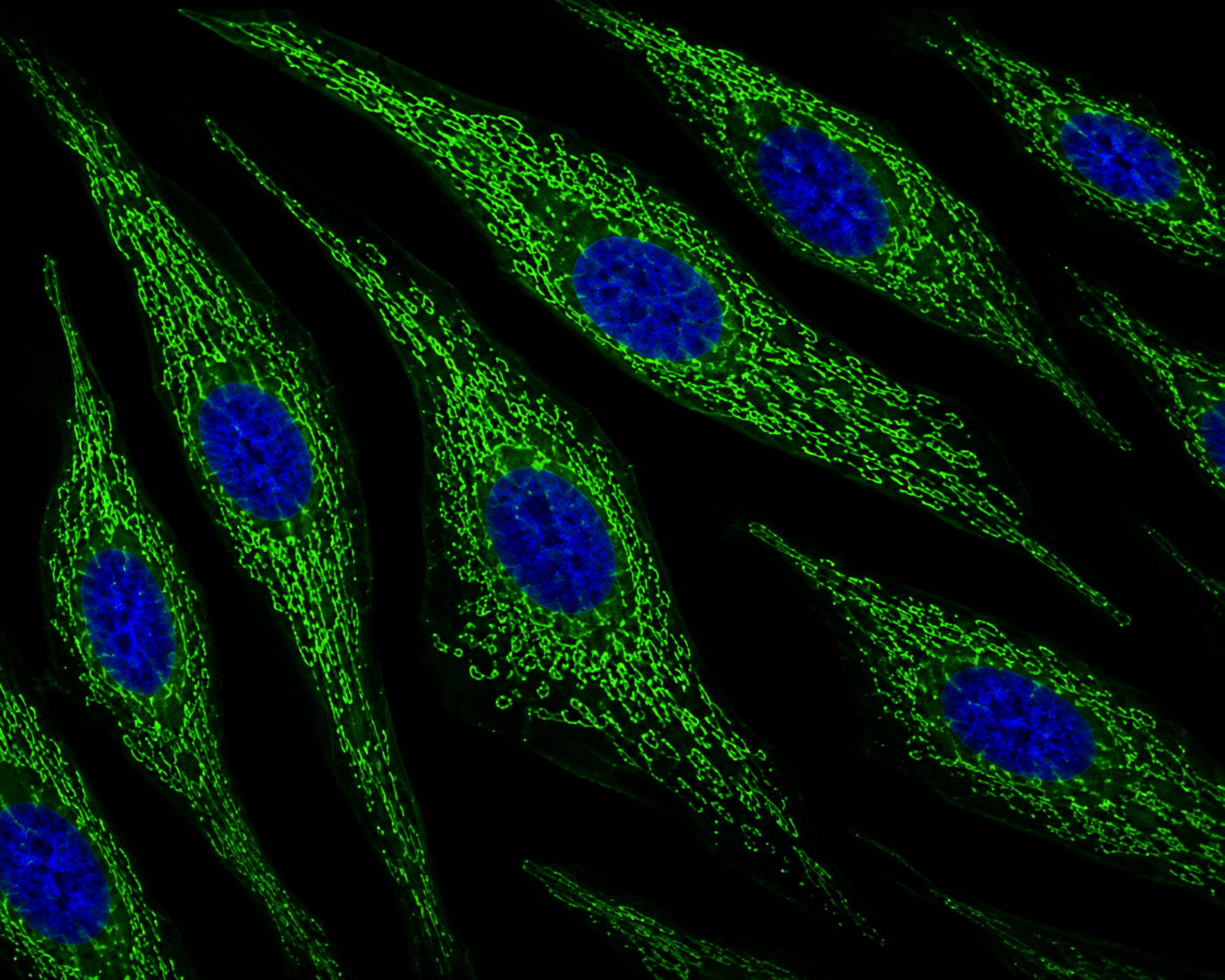
Human Aortic Smooth Muscle Cells have been carefully isolated from adult human aortic tissue and genetically modified to express GFP-Aequorin, a bioluminescent protein that is specifically targeted to the mitochondria. These engineered cells serve as a powerful tool for live-cell imaging, allowing researchers to visualize and study the dynamics of mitochondrial calcium signaling in real time.
They are ideal for exploring various aspects of mitochondrial function, vascular smooth muscle biology, and the cellular responses to different pharmacological agents. This innovative approach provides valuable insights into the intricate workings of smooth muscle cells in the context of cardiovascular health and disease.
Guarantee expansion for a minimum of 2-5 population doublings.
IMPORTANT: Quality warranty requires use of NeoBioPharma media. Biohazardous material despite negative pathogen testing. Quality claims must be reported within 1 month.
Key Features
Catalog Number: NBP-0026AEQ-GFPMITO
Product Format: Frozen
Vial Cell Number: > 5x10[5] cells/vial
Passage:1(P1)
Storage: Liquid Nitrogen, Vapor Phase
Intended Use: Research use only (RUO)
Characteristics:
These cells retain smooth muscle-like morphology and express smooth muscle markers such as ?-SMA, SM22?, and calponin. The mitochondrial GFP-Aequorin reporter allows researchers to monitor mitochondrial localization by GFP fluorescence and measure mitochondrial calcium dynamics using aequorin-based luminescence assays.
Quick Facts
Product Type
Human Smooth Muscle Cells
Viability
>85% viable (Post-thaw)
Applications
Ideal for studying mitochondrial calcium uptake, …
Availability
In Stock • Global Shipping
Technical Specifications
Primary Applications
Applications & Use Cases
Primary Applications
Ideal for studying mitochondrial calcium uptake
Suitable for ideal for studying mitochondrial calcium uptake studies and research applications
vascular contraction mechanisms
Suitable for vascular contraction mechanisms studies and research applications
oxidative stress
Suitable for oxidative stress studies and research applications
mitochondrial dysfunction
Suitable for mitochondrial dysfunction studies and research applications
cardiovascular disease models
Suitable for cardiovascular disease models studies and research applications
hypertension research
Suitable for hypertension research studies and research applications
drug toxicity testing
Suitable for drug toxicity testing studies and research applications
and calcium-signaling pathway analysis.
Suitable for and calcium-signaling pathway analysis. studies and research applications
Research Areas
In Vitro Studies
Cell culture and screening applications
Molecular Biology
Gene expression & signaling studies
Drug Discovery
Screening & validation studies
Disease Modeling
Pathophysiology research
Support & Resources
Technical Support
Our experts are available for technical questions and protocol assistance.
Contact SupportDocumentation & Resources
No Documentation Available
Documentation for this product is not yet available.
Request Documentation