Human Umbilical Vein Endothelial Cells (HUVECs) with Aequorin Expressed in Mitochondria

Quick Actions
Product Overview
Description
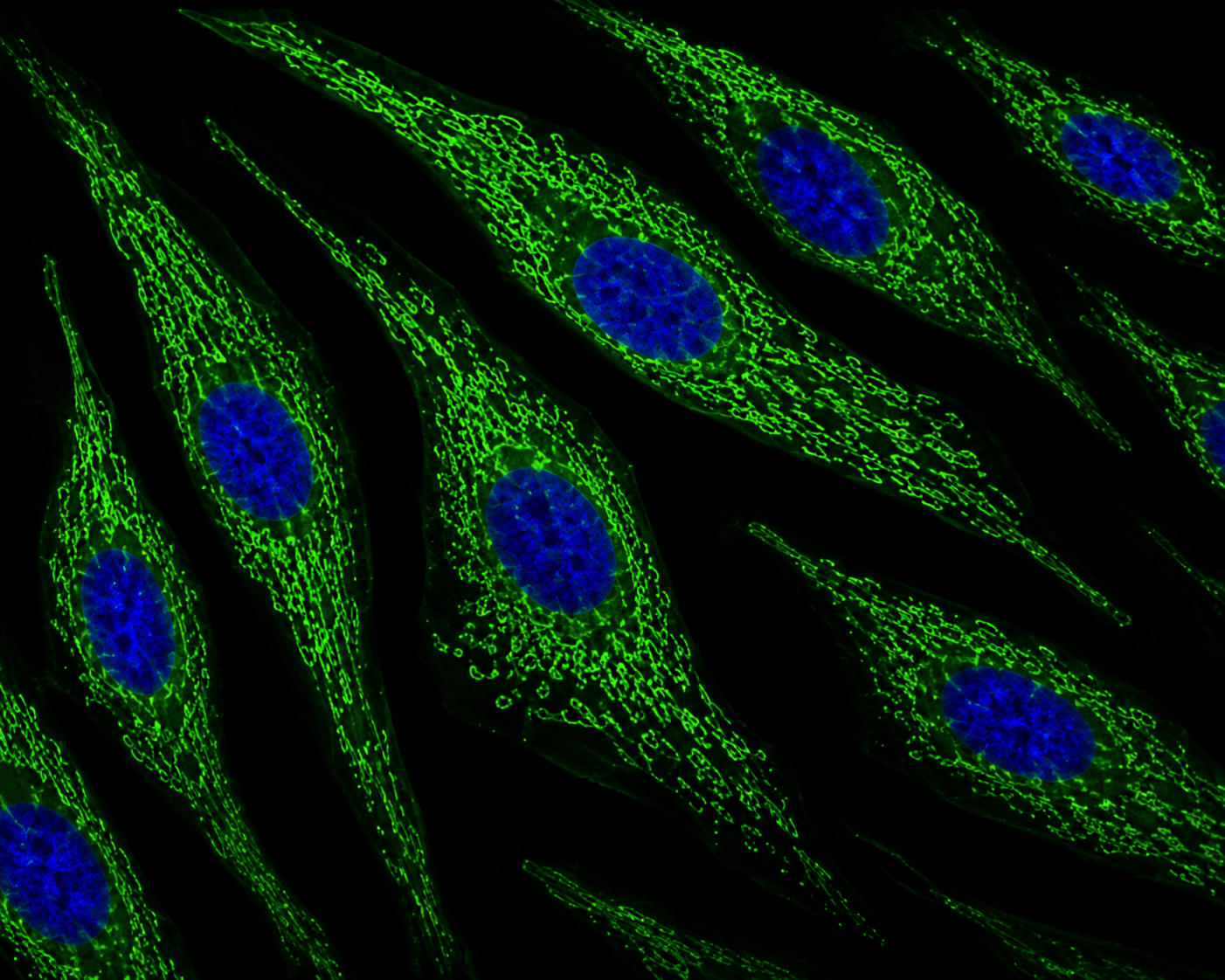
Human Umbilical Vein Endothelial Cells (HUVECs) are primary endothelial cells derived from the umbilical vein. When engineered to express aequorin targeted to mitochondria, they become a powerful model for studying real-time mitochondrial calcium dynamics in vascular endothelium.
Aequorin is a bioluminescent calcium-sensitive protein that emits light upon binding Ca², allowing precise measurement of mitochondrial calcium flux without external dyes.
IMPORTANT: Quality warranty requires use of NeoBioPharma media. Biohazardous material despite negative pathogen testing. Quality claims must be reported within 1 month.
Key Features
Catalog Number: NBP-0001-AEQ-Mito
Product Format: Frozen
Vial Cell Number: > 5x10[5] cells/vial
Passage:1(P1)
Storage: Liquid Nitrogen, Vapor Phase
Intended Use: Research use only (RUO)
Characteristics:
-Primary endothelial phenotype (non-immortalized, physiologically relevant)
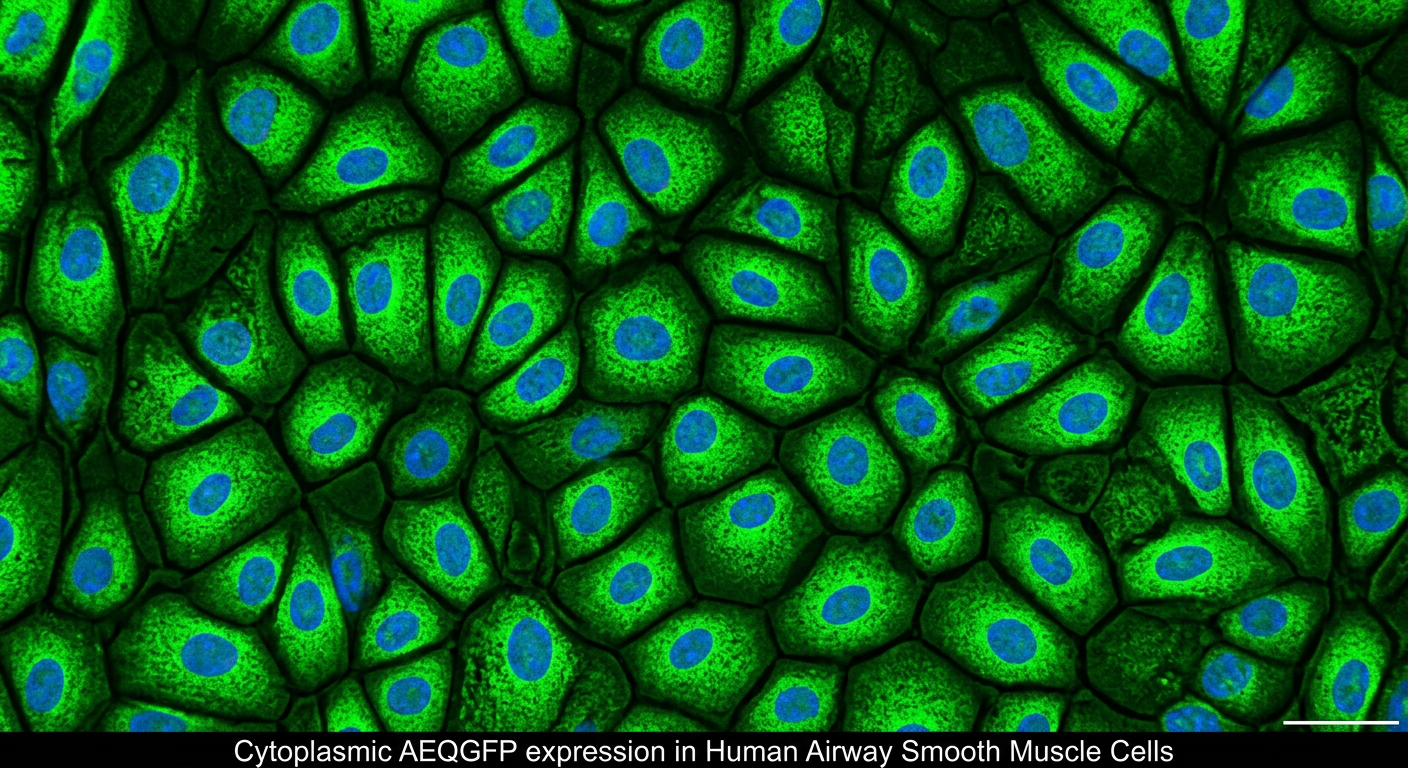
-Form cobblestone monolayers in culture
-Express endothelial markers such as VE-cadherin, CD31, and vWF
-Responsive to shear stress and inflammatory stimuli
-Mitochondrial-targeted aequorin expression enables:
-Direct monitoring of mitochondrial Ca² uptake
-High sensitivity calcium detection
-Minimal phototoxicity (bioluminescence-based)
Quick Facts
Product Type
Engineered Human Endothelial Cells
Viability
>95% viable (Trypan Blue exclusion)
Applications
-Mitochondrial calcium signaling studies -Vascul…
Availability
In Stock • Global Shipping
Technical Specifications
Primary Applications
Applications & Use Cases
Primary Applications
-Mitochondrial calcium signaling studies -Vascular physiology and endothelial metabolism research -Drug screening for cardiovascular and mitochondrial toxicity -Oxidative stress and apoptosis research -Angiogenesis and vascular remodeling studies -Signal transduction pathway analysis in endothelial cells
Suitable for -mitochondrial calcium signaling studies -vascular physiology and endothelial metabolism research -drug screening for cardiovascular and mitochondrial toxicity -oxidative stress and apoptosis research -angiogenesis and vascular remodeling studies -signal transduction pathway analysis in endothelial cells studies and research applications
Research Areas
In Vitro Studies
Cell culture and screening applications
Molecular Biology
Gene expression & signaling studies
Drug Discovery
Screening & validation studies
Disease Modeling
Pathophysiology research
Support & Resources
Technical Support
Our experts are available for technical questions and protocol assistance.
Contact Support